Outdoor Restaurant Signage: How to Be Seen, Recognised and Chosen from the Road
Many guests decide where to eat while walking or driving past. Here is how to plan outdoor restaurant signage that is seen in time, read quickly and remembered.
The few seconds that decide a walk-in
A driver moving at city speed or a pedestrian on a crowded footpath gives a restaurant only a few seconds of attention. In that time, the outdoor sign has to answer three questions: what is this place, what does it serve and how do I get in. If any answer is unclear, the guest usually keeps moving.
Outdoor signage is therefore less about decoration and more about communication under pressure. Good outdoor signs are planned around real sight lines, real distances and real lighting conditions, not around how they look on a design file.
Start with a sight-line survey
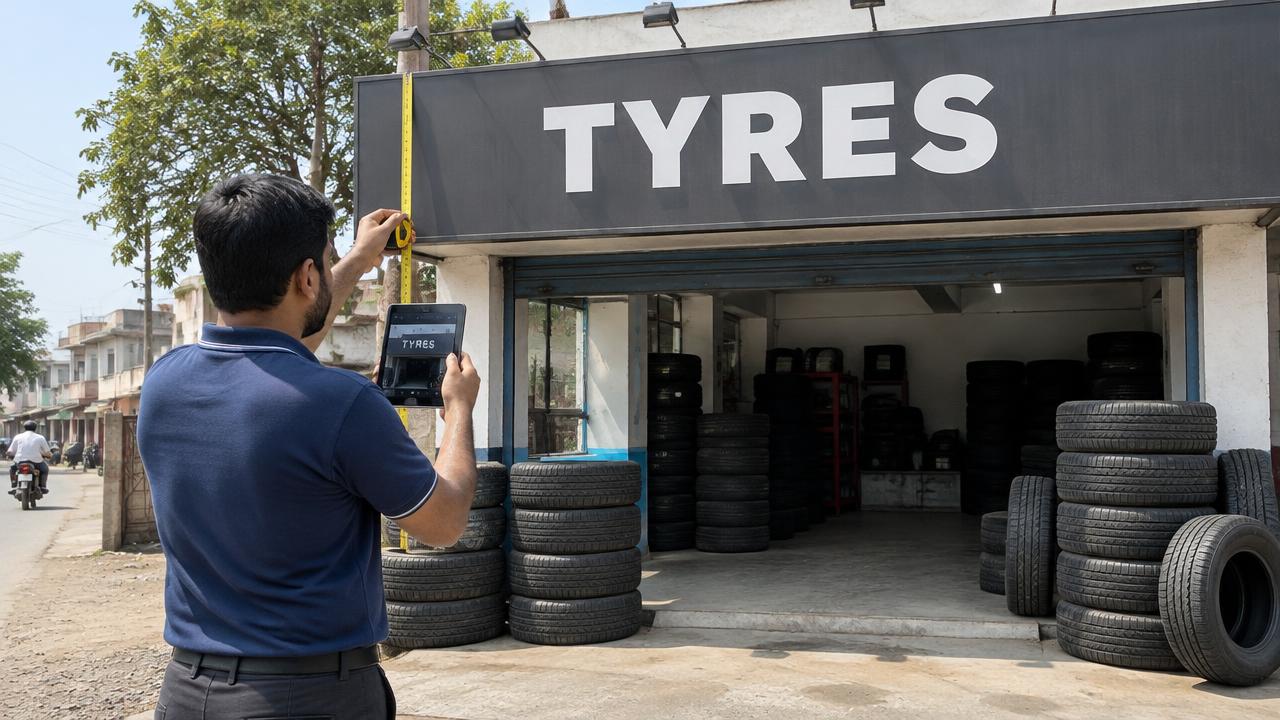
Before choosing a design, stand where your guests will be. Walk the footpath from both directions, drive past at normal speed and look from the parking area and any nearby junction. Note where the outlet first becomes visible and what blocks it.
Common obstructions in Indian streets include trees, electrical poles, cables, neighbouring boards, hoardings, rolling shutters and awnings. A survey often shows that a projecting blade sign or a raised pylon will do more for visibility than simply making the fascia bigger.
- Record the distance at which the sign first becomes visible from each direction.
- Photograph the frontage in daylight and at night.
- Check where power is available for illuminated signs.
- Note fixing surfaces, height limits and any building or local-authority restrictions.
Choosing the right outdoor sign types
Most restaurants combine two or three outdoor sign types rather than relying on a single board.
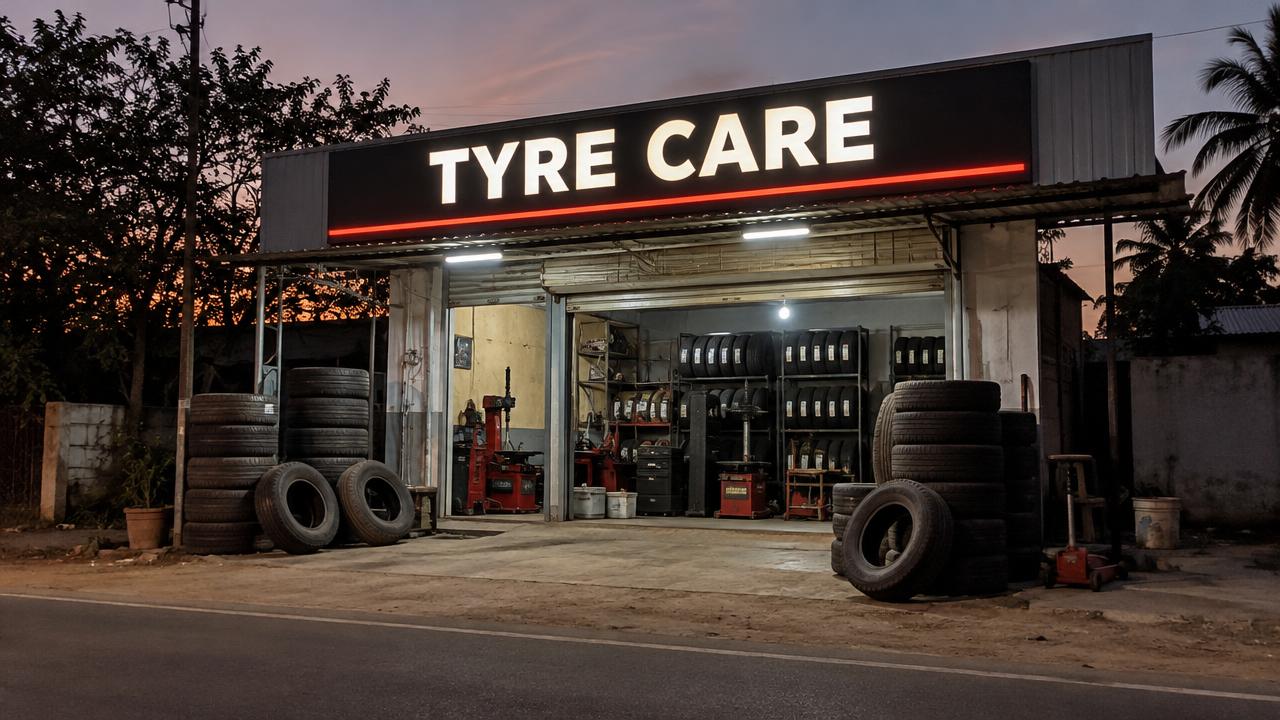
- Fascia sign: the main name board, typically ACP with 3D acrylic, stainless steel or MS-framed letters.
- Blade or projecting sign: catches attention from people moving along the street.
- Pylon or totem: essential for highway outlets and set-back buildings.
- Roof or high-level sign: for outlets that must be seen from a flyover or a distance, subject to approvals.
- Window graphics: cuisine, timings and delivery options without blocking the view inside.
- A-board or standee: daily specials at the footpath, moved inside after closing.
Sizing letters for distance
Letter height should match the distance at which guests need to read the sign. A small café on a narrow lane can use modest lettering, while a highway restaurant needs much larger letters on a pylon. Your signage partner should calculate letter heights from the survey distances rather than guessing.
Keep the message short. A name, a cuisine or category line, and possibly a single short phrase is enough for most outdoor signs. Phone numbers, long taglines and lists of dishes rarely get read from a moving vehicle and make the main name smaller.
Contrast and colour
Strong contrast between letters and background is the single biggest factor in readability. Light letters on a dark ACP background, or dark letters on a light background, work well. Avoid placing mid-tone letters on mid-tone backgrounds, and test colours in bright sunlight, where many shades wash out.
Use your brand colours, but consider how they behave outdoors and at night. Some colours look very different when backlit. Ask for a lit sample or a mock-up photograph before approving fabrication.
Lighting for evening trade
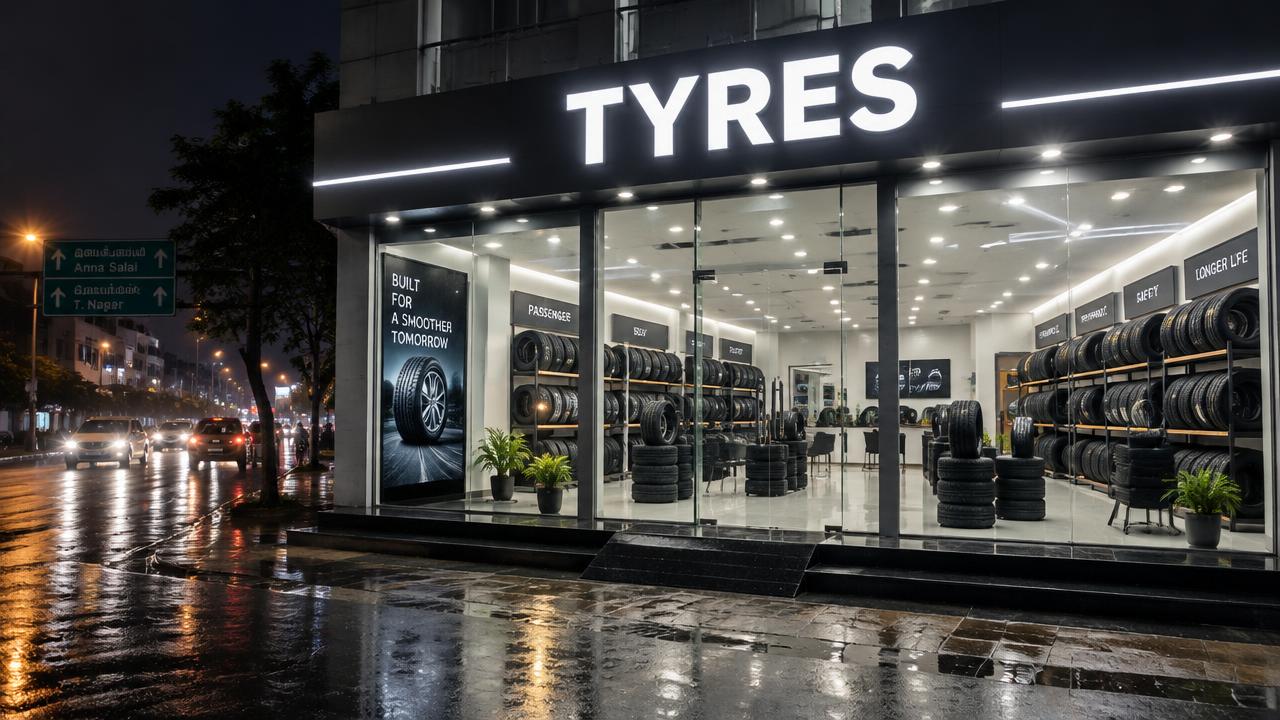
Dinner is the busiest time for many restaurants, so outdoor signs must work after dark. Options include front-lit letters, back-lit or halo-lit letters, LED-lit lightboxes and external spotlights. Each gives a different look and has different maintenance needs.
Choose sealed, outdoor-rated LED modules and power supplies, and plan for safe wiring, earthing and a timer. A sign that flickers or has half its letters dark sends a poor signal about the kitchen inside.
Weather, durability and maintenance
Indian outdoor conditions are demanding: strong sun, heavy monsoon rain, dust and pollution. Specify UV-resistant prints and paints, corrosion-protected MS frames or stainless steel, and proper drainage on lightboxes.
Plan a simple maintenance routine: clean faces regularly, check for loose fixings before the monsoon, replace failed LEDs promptly and repaint or replace faded panels. A well-maintained sign protects the investment and the brand.
Local rules and approvals
Outdoor signage may be subject to municipal, mall or building-society rules on size, height, projection and illumination. Check these before finalising the design, and keep approvals and landlord permissions on file. Your signage partner can help with drawings, but the outlet owner is usually responsible for permissions.
Common mistakes to avoid
Outdoor signage problems are usually visible within the first few weeks of opening, when changes are costly. Watch for these common issues during design and approval.
Many of these mistakes come from approving a design on a screen rather than checking it against the real street. A short visit to the site with a printed mock-up, or a photograph with the sign superimposed, often reveals them in minutes.
- Approving a design without checking it against site photographs and sight lines.
- Filling the fascia with phone numbers, dish lists and taglines so the name becomes small.
- Choosing brand colours that wash out in sunlight or look different when backlit.
- Ignoring the night view, so the sign is unreadable during dinner hours.
- Installing without checking landlord, mall or municipal rules, leading to forced changes.
A quick outdoor signage checklist
Before you sign off on outdoor signage, confirm that the design has been checked against these points. Sharing the list with your signage partner helps ensure nothing is missed between survey, design and installation.
- Visible from both directions on the road and from parking.
- Name readable at the actual viewing distance.
- Strong contrast in daylight and at night.
- Outdoor-rated materials, LEDs and wiring.
- Permissions and landlord approval on file.
- Maintenance plan in place before the monsoon.
- How was the letter height worked out for this site?
- Which LED modules and power supplies will be used outdoors?
- How will the frame be protected against rust and water?
How Sign Ad India can help
Sign Ad India surveys restaurant frontages, designs outdoor signage around real sight lines and fabricates ACP fascias, 3D acrylic and stainless steel letters, LED and glow sign boards, blade signs and pylon structures. Our installation team fits signs safely at height and can support maintenance after handover.
Frequently asked questions
What is the most important outdoor sign for a restaurant?
The main fascia sign is usually the most important, but a blade sign or pylon can be just as valuable where the frontage is hidden or set back.
How big should my restaurant sign letters be?
Letter height depends on viewing distance. A site survey that measures distances from the road and footpath is the best way to decide.
Should outdoor restaurant signs be illuminated?
For most restaurants with evening trade, yes. Back-lit, halo-lit or front-lit LED signs keep the outlet visible after dark.
What material lasts best outdoors in Indian weather?
ACP with acrylic or stainless steel letters, corrosion-protected frames, UV-resistant prints and sealed LED modules are durable choices.
Do I need permission to install an outdoor sign?
Often, yes. Rules vary by city, building and mall. Check municipal, landlord and society requirements before fabrication.
How often should outdoor signs be maintained?
Clean regularly, inspect before the monsoon and replace failed LEDs or faded panels promptly. The exact frequency depends on location and exposure.
Get your restaurant noticed from the road
Share your outlet address and photos of the frontage, and we will suggest outdoor sign options with a quotation.