The 30-Day Tyre Replacement Awareness Campaign
Many drivers keep worn tyres longer than they should simply because nobody reminds them to check. A focused 30-day awareness campaign gives dealers a structured reason to start that conversation. This article sets out a practical week-by-week plan covering preparation, branding, outreach and measurement.
Why a replacement awareness campaign makes sense
Tyres wear gradually, and most drivers do not notice the change until something prompts them: a near-skid on a wet road, a mechanic's comment, or a failed inspection. Many continue driving on worn tyres simply because no one has reminded them to check. For tyre manufacturers and dealers, this is both a safety concern and a missed opportunity.
A short, focused awareness campaign gives the dealer network a shared reason to start the replacement conversation. Thirty days is long enough to build visibility and short enough to keep energy high. It also gives a clear window for measuring activity.
Setting clear campaign objectives
Before designing materials, define what the campaign should achieve. Typical objectives include encouraging drivers to check their tyres, increasing walk-ins for inspections, and supporting replacement sales where tyres are genuinely worn. Objectives should be realistic and measurable at the outlet level.
Agree on the campaign offer, if any, with dealers in advance. A free visual tyre check, for example, only works if every participating dealer offers it consistently. Avoid promising discounts or services that some outlets cannot deliver.
- Raise awareness of tread wear, damage and tyre age
- Encourage drivers to visit for a tyre check
- Support replacement where tyres are genuinely worn
- Collect enquiries and customer contact consent for follow-up
Before day one: preparation
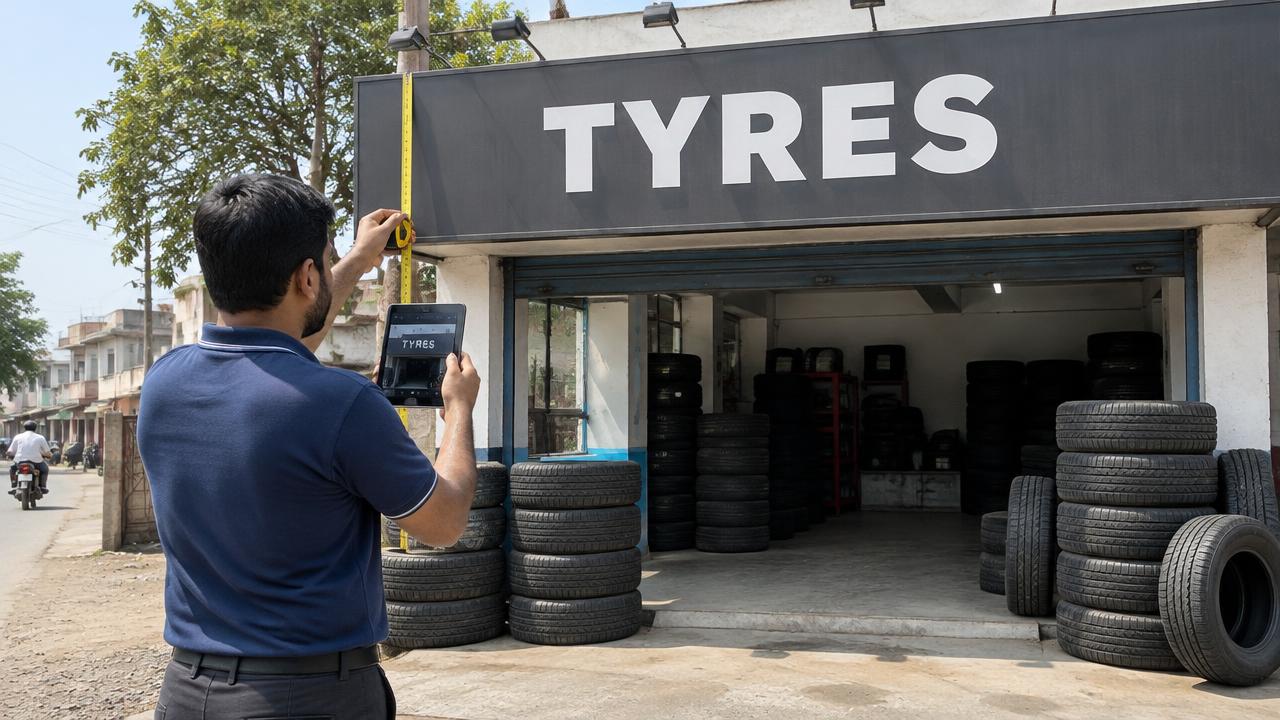
Preparation usually takes longer than the campaign itself. Select participating outlets, confirm their frontage and interior sizes, and finalise creative. Produce a modular kit so outlets of different sizes receive suitable materials. Plan dispatch and installation so every outlet is ready before the campaign starts.
Brief dealers clearly. A short guide explaining the campaign message, kit contents, placement and how to talk to customers helps ensure consistent execution. Confirm stock availability for common sizes so customers who decide to replace are not turned away.
Week 1: launch and visibility
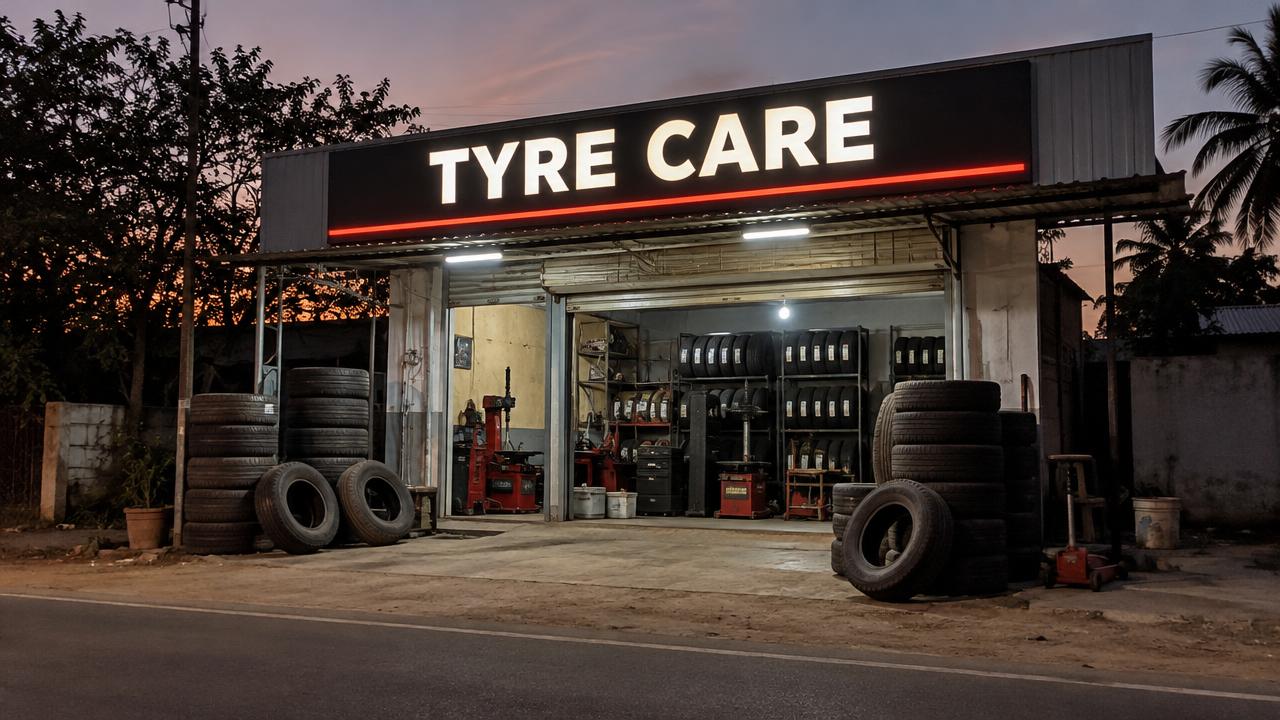
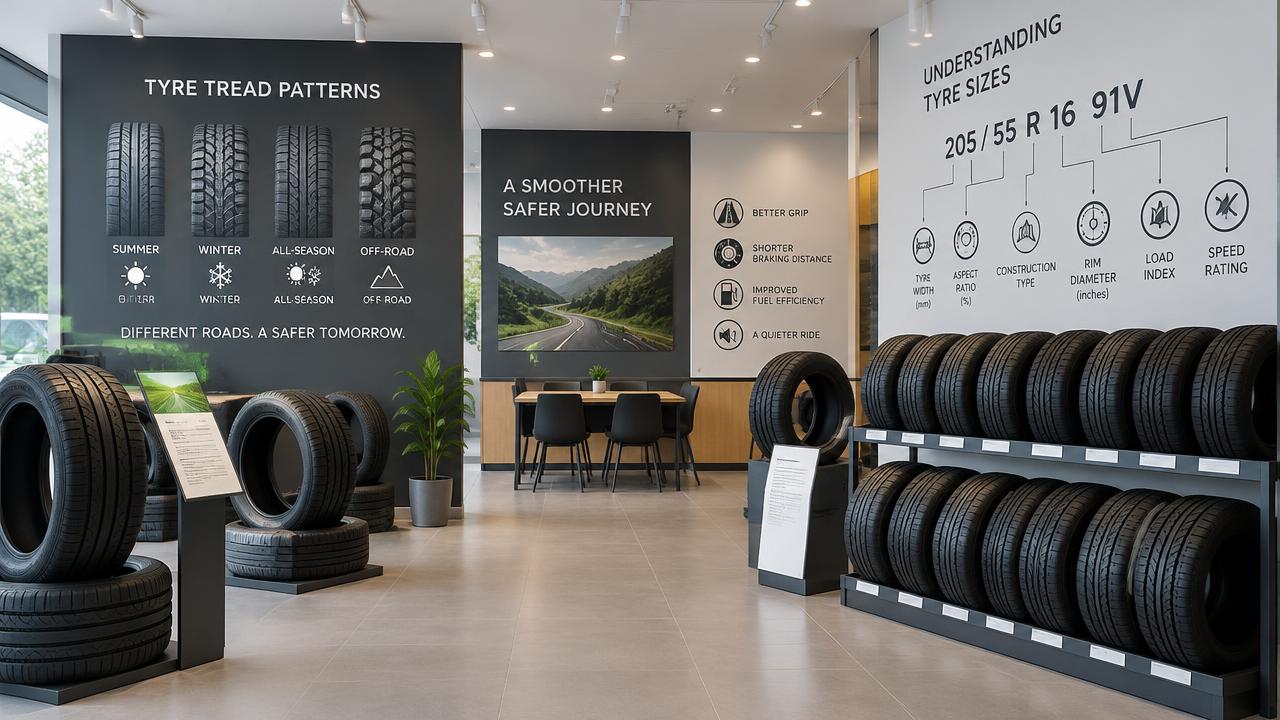
The first week should make the campaign impossible to miss. Install fascia toppers, banners, standees and window graphics so passing drivers notice the message. Inside, posters and counter cards explain how to check tread and when replacement is advisable, using information aligned with the manufacturer's guidance.
Where budgets allow, add local outdoor media or vehicle branding to extend visibility beyond the outlet. Dealers can also share the campaign message with existing customers through their usual channels, respecting customer consent.
- Exterior banners, standees and window graphics
- In-shop posters and counter cards
- Tread depth comparison samples
- Optional local outdoor or vehicle branding
Week 2: education and engagement
With visibility established, the focus shifts to education. Staff can invite waiting customers for a quick visual check, using tread samples and simple graphics to explain what they find. The aim is to help customers understand their tyre condition, not to pressure them into immediate purchase.
Educational materials should explain tread wear indicators, signs of sidewall damage, uneven wear patterns and the role of pressure, rotation and alignment. QR codes can link to tyre care guides for customers who want more detail.
Week 3: conversion support
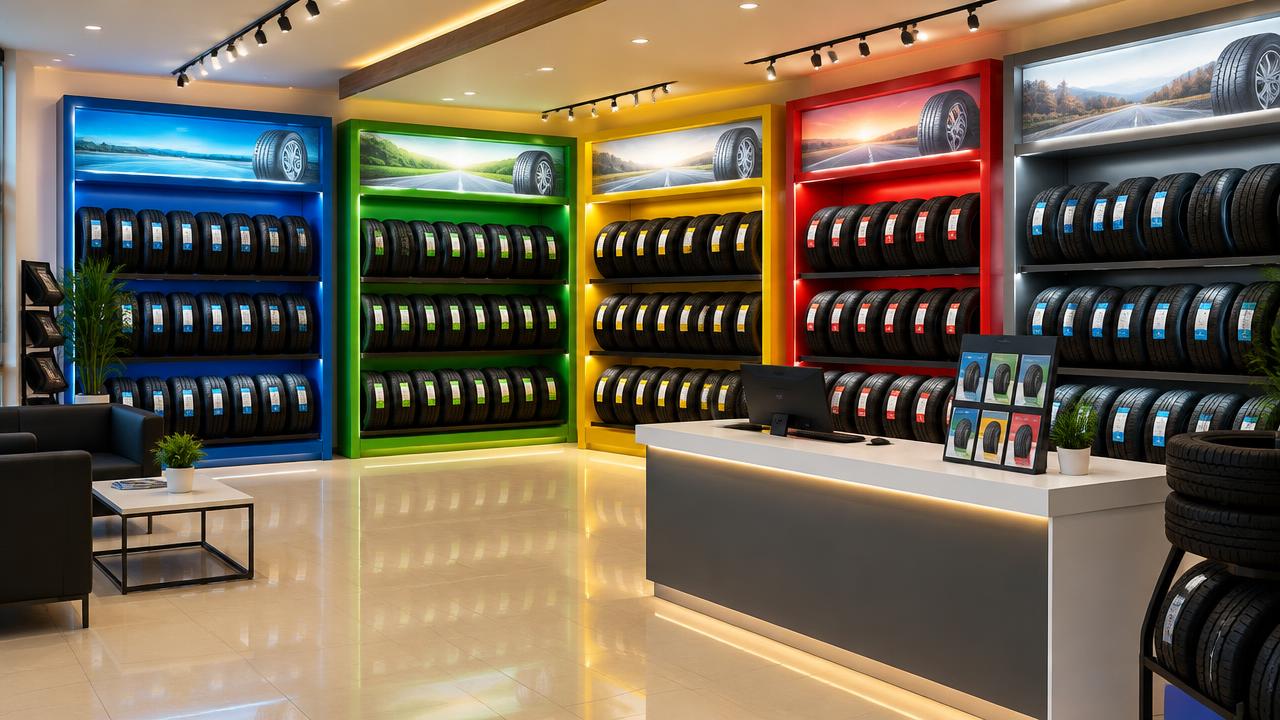
By the third week, some customers who received a check will return to replace tyres. Counter tools such as comparison cards and range ladders help dealers explain options clearly. If the campaign includes a scheme agreed by the manufacturer, make sure the details are displayed consistently and accurately.
This is also a good time to refresh outlet materials if anything has been damaged or removed, and to check that stock remains available.
Week 4: reminders and close
The final week should remind drivers that the campaign is ending, encouraging those who intended to visit to do so. Simple messages, such as last week for a tyre check, can be added with small toppers or counter inserts.
After the campaign ends, remove time-limited materials promptly. Outdated campaign graphics left in place make the outlet look neglected. Evergreen elements, such as educational panels, can stay as part of the outlet's permanent branding.
Measuring the 30-day campaign
Ask dealers to record tyre checks, enquiries and replacement sales during the campaign, along with simple notes on customer response. QR scans and any dedicated contact numbers provide additional signals. Photographic installation records confirm that materials were installed on time.
Interpret results with care. Compare with similar periods and, where possible, with outlets that did not participate. Season, pricing, schemes and local factors also affect sales. A pilot across around ten representative outlets is a sensible way to test the format before a network-wide campaign.
- Tyre checks and walk-ins
- Enquiries and QR scans
- Replacement sales during the window
- Dealer and customer feedback
- Installation photographs and compliance
Making the campaign repeatable
A well-run 30-day campaign becomes more valuable when it can be repeated. Many manufacturers run awareness campaigns once or twice a year, often timed before the monsoon or ahead of festival travel seasons. Documenting what worked, which materials dealers used and where installation was delayed makes the next campaign faster and more effective.
Keep master artwork, kit specifications and outlet size records in a central place. Reusable elements, such as standee frames and counter holders, can be refreshed with new prints rather than replaced. Over time, the dealer network becomes familiar with the campaign rhythm, which improves execution and reduces the briefing effort. A short review meeting with dealers after each campaign captures practical feedback while it is still fresh.
- Document results and lessons after each campaign
- Store master artwork and kit specifications centrally
- Reuse frames and holders with refreshed prints
- Hold a short dealer review after each cycle
How Sign Ad India can help
Sign Ad India supports campaign execution with printing, fabrication and multi-location installation. For a 30-day campaign, this can include banners, standees, fascia toppers, window and wall graphics, counter cards, tread sample fixtures, outdoor advertising, vehicle branding, regional kit packing and photographic completion records.
If you are planning a replacement awareness campaign, share your outlet count, regions and timeline. Our team can prepare a dealer branding proposal or discuss a 10-outlet audit enquiry to test outlet readiness and campaign formats.
Frequently asked questions
Why run a tyre replacement campaign for 30 days?
Thirty days is long enough to build visibility and invite repeat visits, and short enough to keep dealers engaged and measure results within a clear window.
What should a replacement awareness kit include?
Exterior banners and standees, window graphics, in-shop posters, counter cards and tread comparison samples are a practical core. Larger outlets can receive additional elements.
Should the campaign include a free tyre check?
Only if every participating dealer agrees to offer it consistently. Mismatched promises between materials and outlets damage customer trust.
How do we know if the campaign worked?
Track tyre checks, enquiries, QR scans and replacement sales, and compare carefully with similar periods or non-participating outlets. Other factors such as season and pricing also affect results.
Plan your 30-day replacement campaign
Share your outlet count, regions and timeline, and we will prepare a dealer branding proposal or discuss a 10-outlet audit enquiry for your campaign rollout.