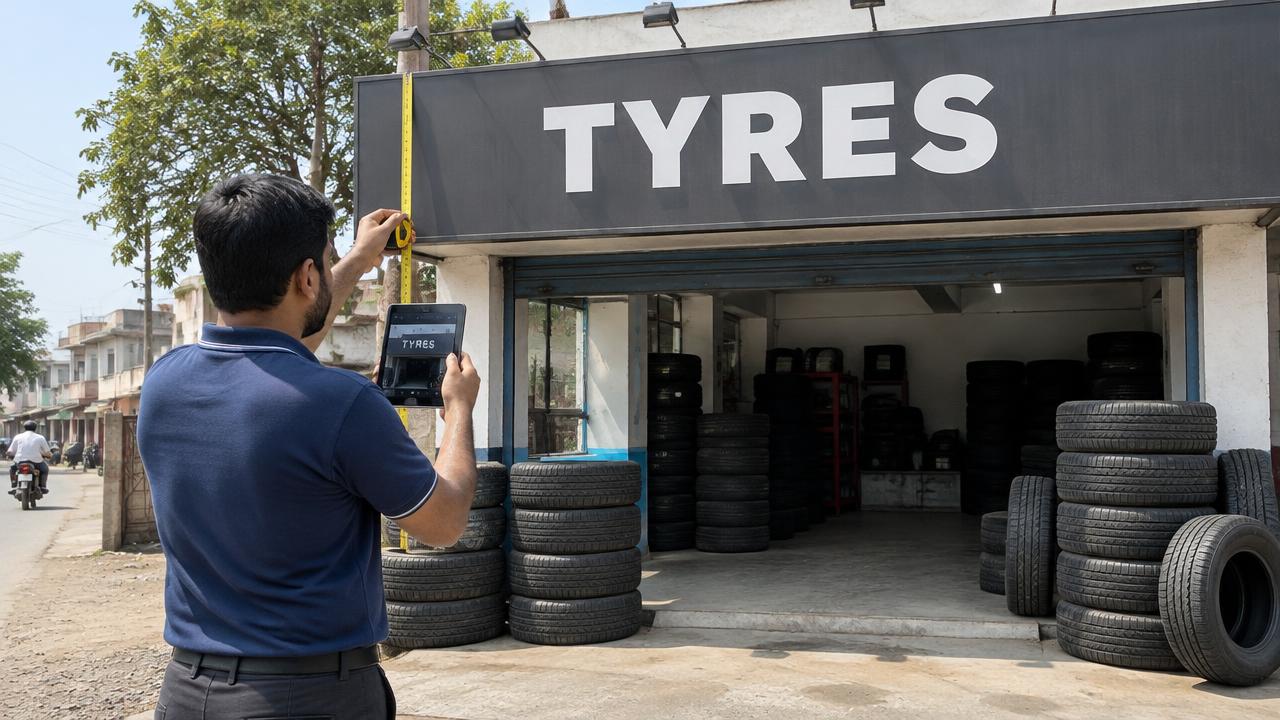
Turning a Tyre Shop into a Premium Experience Centre
Customers now compare tyres the way they compare phones or appliances. This guide explains how tyre manufacturers can turn ordinary dealer outlets into premium experience centres through better fascia, clear zoning, product storytelling, comfortable waiting areas and a practical tiered rollout plan.
Why the tyre buying experience needs an upgrade
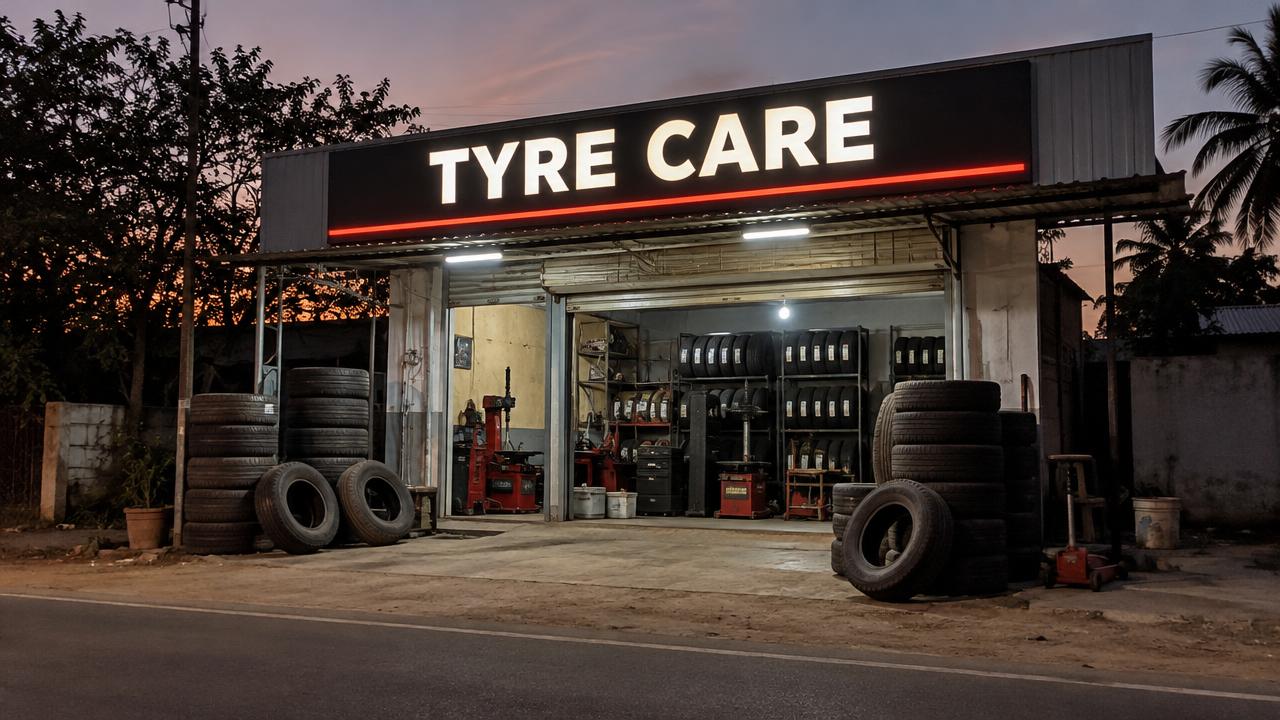
For many years the typical tyre outlet was built around storage and fitment. Tyres were stacked to the ceiling, the counter was a desk with a calendar behind it, and customers waited on plastic chairs while their vehicle was on the lift. That format worked when buyers simply asked for the cheapest available size. It works less well today, when a car or SUV owner may have already researched tread patterns, noise levels and wet grip on their phone before walking in.
Premium tyres carry a higher ticket value, and customers spending more expect to be reassured. If the outlet looks like a warehouse, the premium product inside it looks like a commodity. For a tyre manufacturer, this is a real problem: the brand invests in product development and advertising, but the final impression at the point of purchase is shaped by a dealer environment the brand has not designed.
An experience centre approach changes that. It treats the dealer outlet as the place where the brand promise is either confirmed or quietly undone.
What premium actually means at a tyre outlet
Premium does not mean expensive interiors or imported marble. In a tyre outlet, premium usually comes down to five things customers notice quickly: the outlet is easy to find, it is clean and well lit, products are presented with some order and explanation, staff have tools to explain choices, and the waiting time feels comfortable rather than wasted.
Most of these are achieved through good signage, display fixtures, printed graphics and lighting, not through civil construction. That is good news for manufacturers planning a programme across many dealers, because these elements can be standardised, manufactured centrally and installed with limited disruption to the dealer's business.
- A clear, well-lit fascia that is visible from the road
- An organised product wall instead of random stacks
- A consultation counter with comparison aids
- A clean, comfortable waiting area with a view of the work
- Consistent brand colours and materials throughout
Start outside: the fascia and approach
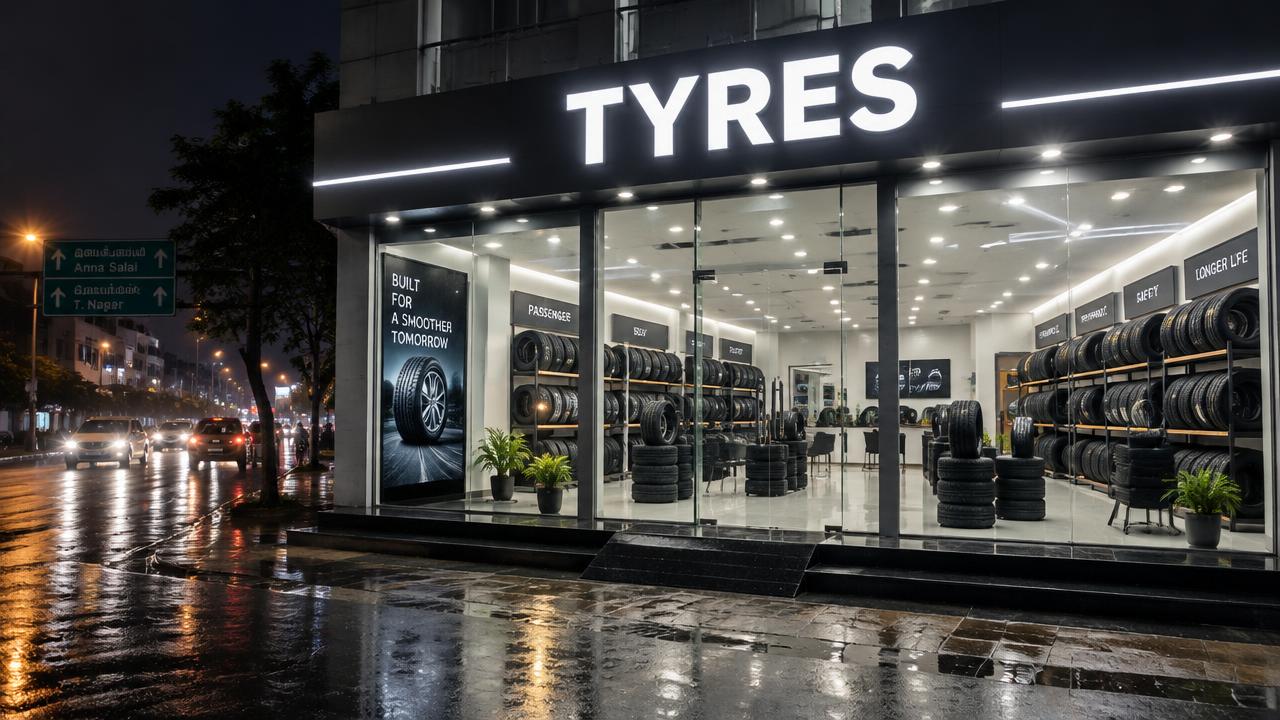
The experience begins before the customer enters. A tired flex board with faded colours and broken lighting sends a message that no amount of interior work can fully repair. For premium positioning, the fascia is usually the first upgrade worth considering: an ACP cladding frame with illuminated 3D or LED letters, or a well-made glow sign where budgets are tighter.
Pay attention to the approach as well. A projecting sign or pole sign can help customers on fast roads notice the outlet in time to slow down. Entrance glass can carry frosted vinyl or brand graphics that give privacy to the service area while still looking finished. Even small details such as a clean, branded entrance mat or a properly lit forecourt contribute to the impression that this is a serious, well-run outlet.
Zoning the interior so customers know where to go
Many tyre shops feel confusing because everything happens in one open space. A premium outlet usually divides the floor into a few simple zones, even if the shop is small. Zoning does not need walls; it can be created with flooring changes, ceiling graphics, display units and lighting.
Each zone should have a clear purpose. When customers can see where to wait, where to look at products and where to talk to staff, the outlet feels calmer and more professional. Staff also find it easier to guide customers through a structured conversation instead of a rushed exchange at the counter.
- Welcome zone: a reception or counter visible from the entrance
- Product zone: a feature wall or stands for key tyre ranges
- Consultation zone: a counter or table with comparison aids
- Waiting zone: seating, refreshments and a view of the service bay
- Service zone: clean, branded bays with clear safety signage
Brand walls and product storytelling
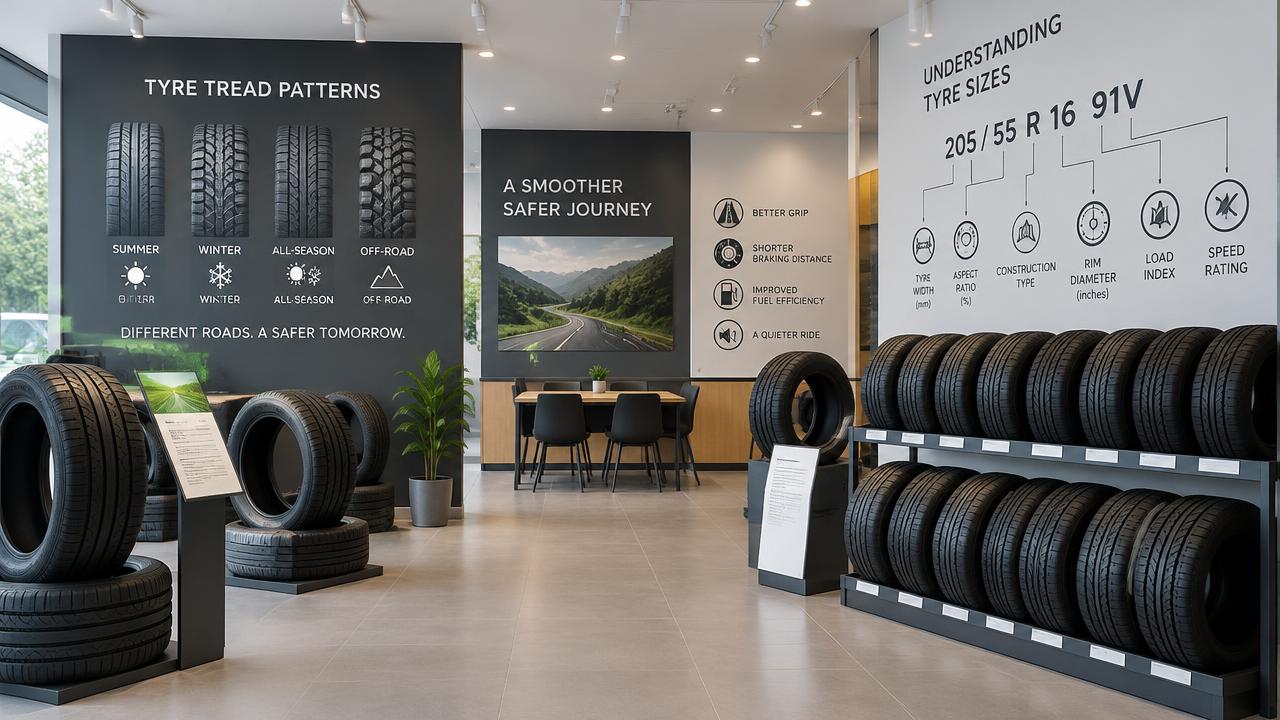
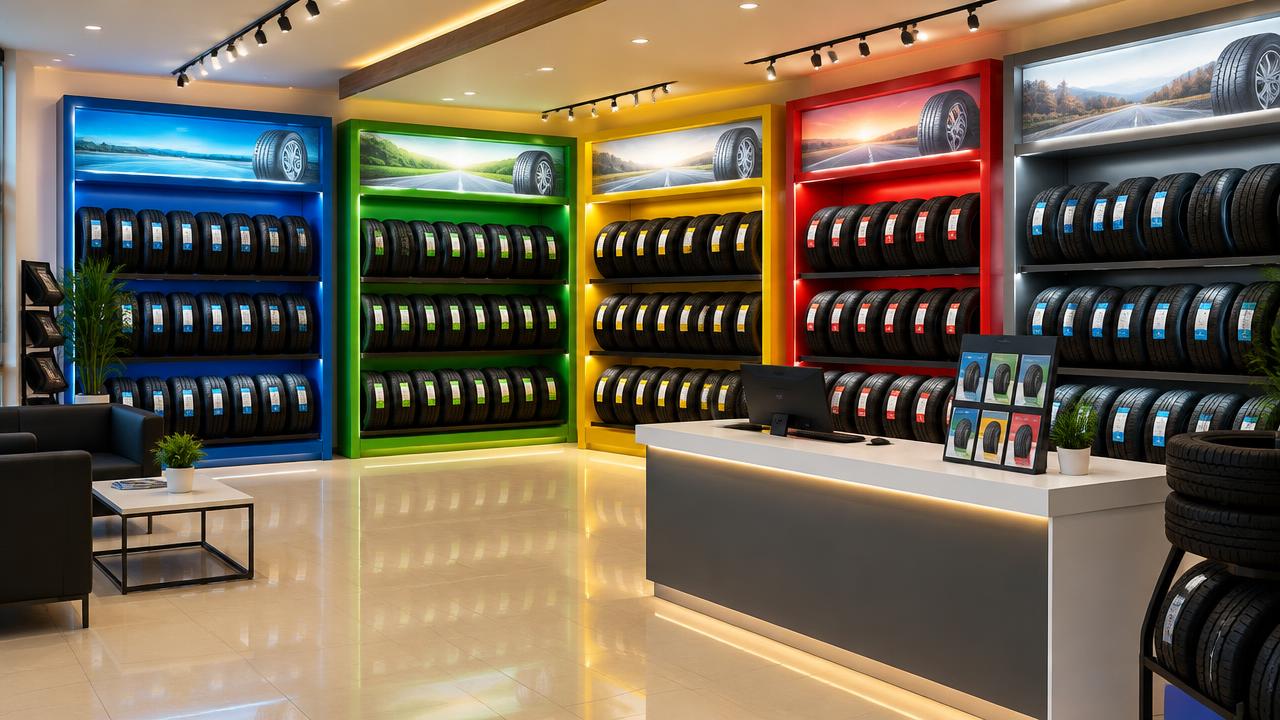
The product wall is the heart of a premium outlet. Instead of stacking every size, select a smaller number of hero products and display them on wall-mounted brackets or stands at eye level, with backlit or printed panels explaining what each range is designed for: city comfort, highway stability, SUV durability, or wet-road confidence.
Large-format graphics printed on suitable media, such as fabric or rigid board, can carry lifestyle imagery that helps customers imagine the product in use. Keep claims factual and aligned with the manufacturer's approved product communication. The aim is not to overwhelm customers with specifications but to give staff a visual starting point for the conversation.
The waiting area is part of the sale
Fitment, balancing and alignment take time, and how a customer spends that time affects how they feel about the purchase. A clean seating area, a water or tea station, charging points and a view of the service bay through glass all help build trust. Customers who can see their vehicle being handled carefully are more likely to return.
The waiting area is also an opportunity for gentle education. Wall graphics explaining tyre care, rotation intervals and pressure checks give customers useful information without a sales pitch. A QR code linking to the manufacturer's product pages lets interested buyers explore more while they wait.
Lighting, materials and maintenance
Lighting does more for a premium impression than almost any other single element. Tyres are dark products that absorb light; poorly lit walls make them look dull and uniform. Directed lighting on display walls, backlit panels and well-lit counters make the product easier to see and the space more inviting.
Choose materials that survive the realities of a tyre outlet: dust, rubber marks, moisture and heavy traffic. ACP, powder-coated metal, laminated prints and sealed surfaces are easier to clean and keep looking new for longer. A premium look that deteriorates in six months does more harm than a simpler finish that stays clean. Build a basic maintenance checklist into the programme so dealers know what to clean, check and report.
A tiered rollout instead of one expensive template
Not every dealer outlet can or should receive the same investment. A practical approach is to define three tiers: a flagship experience centre for high-traffic urban outlets, an upgrade package for established dealers, and a standard package that brings smaller outlets up to a consistent minimum.
Each tier uses the same visual language, colours and core components, so the brand looks consistent everywhere, but the number of elements and the specification change. This lets the manufacturer allocate budget where it is most likely to be justified while still raising the overall standard across the network.
- Flagship: full fascia, zoned interior, feature wall, lounge, consultation area
- Upgrade: new fascia, product wall, counter branding, waiting area graphics
- Standard: fascia refresh, key product display, essential in-shop graphics
Start with a pilot and measure honestly
Before committing to a large network, it is sensible to pilot the concept at a representative group of outlets, for example ten dealers across different locations, sizes and customer profiles. A 10-outlet pilot shows how the design works in real spaces, what installation takes, and how dealers and customers respond.
Track practical indicators such as walk-ins, enquiries, premium range sales mix, dealer feedback and customer comments. Be careful about attributing sales changes entirely to the upgrade; season, pricing, schemes and local competition also play a role. Comparing pilot outlets with similar outlets that were not upgraded gives a more balanced view.
How Sign Ad India can support the programme
Sign Ad India works on signage and branding programmes that cover the full journey from site survey to installation. For a tyre experience centre programme, this can include ACP fascia and LED or 3D letter signage, glow signs, in-shop branding and wall graphics, display fixtures and fabrication, large-format printing, and outdoor or vehicle branding where needed.
Our team can help survey pilot outlets, prepare tier-wise design and material specifications, manufacture components and coordinate installation with photographic completion records. If you are planning to upgrade your dealer network, we can prepare a dealer branding proposal or discuss a 10-outlet audit enquiry to help shape the first phase.
Frequently asked questions
Does a premium tyre experience centre need major civil work?
Usually not. Most of the impact comes from fascia signage, display fixtures, printed graphics, lighting and simple zoning. Civil work may be needed in some outlets, but a well-planned branding package can transform many shops with limited disruption.
Can smaller dealer outlets be part of the programme?
Yes. A tiered approach lets smaller outlets receive a standard package that uses the same brand language as flagship outlets, so customers see consistency across the network even where space and budget are limited.
How should a manufacturer test the concept?
A pilot across around ten representative outlets is a practical start. It shows installation realities, dealer response and early customer reaction before a larger rollout is planned.
Will a premium outlet guarantee higher tyre sales?
No branding upgrade can guarantee sales. A better environment can support the customer conversation and premium range visibility, but results depend on pricing, product, staff, season and local competition, so measurement should be careful and comparative.
Plan your tyre experience centre programme
Share your dealer count, locations and objectives, and our team will prepare a dealer branding proposal or discuss a 10-outlet audit enquiry for your first phase.